By 2026, experts predict artificial intelligence will impact over 1.4 billion learners worldwide. The pace of digital learning is accelerating, urging schools and universities to rethink traditional approaches. At the centre of this evolution is the ai powered learning platform, transforming how students, educators, and institutions interact with knowledge. This article explores eight key ways these platforms are reshaping education, from personalised pathways to enhanced accessibility. Ready to see the future of learning? Discover how innovation in AI is setting a new standard for success in education.
Understanding AI-Powered Learning Platforms
The ai powered learning platform is rapidly redefining how education is delivered across Australia and around the world. Unlike traditional learning management systems, these platforms use advanced technologies to create more intelligent, adaptive, and personalised learning experiences.
An ai powered learning platform stands apart from a conventional LMS in several ways. Traditional systems often act as static repositories for content and assignments. In contrast, AI-driven platforms leverage machine learning, natural language processing, and predictive analytics to analyse student behaviour, performance, and preferences.
- Machine learning algorithms allow the ai powered learning platform to identify patterns in student engagement and outcomes.
- Natural language processing helps platforms interpret written responses, adapt feedback, and facilitate communication.
- Predictive analytics enables the system to anticipate learner needs, flag at-risk students, and recommend targeted resources.
These core technologies are not static. As more data is collected, the ai powered learning platform continuously refines its recommendations and teaching strategies. For example, if a student struggles with a maths concept, the platform can adjust the difficulty, suggest supplementary materials, and monitor progress over time.
Let’s compare the difference between a traditional LMS and an ai powered learning platform:
| Feature | Traditional LMS | AI Powered Learning Platform |
|---|---|---|
| Content Delivery | Static | Adaptive, dynamic |
| Feedback | Manual, delayed | Automated, instant |
| Personalisation | Limited | Highly tailored |
| Data Use | Basic tracking | Advanced analytics |
| Intervention | Reactive | Predictive, proactive |
Real-world examples highlight the transformative power of these platforms. D2L Brightspace uses AI to create adaptive learning pathways, while 360Learning automates course creation and curation. IBM predicts that by 2026, 1.4 billion people will need to reskill, making the scalability and adaptability of AI solutions crucial.
Educators benefit too. Automations reduce manual marking and reporting, freeing up time for mentoring and innovation. Actionable insights help teachers intervene early and support students more effectively. For organisations looking to explore or implement these solutions, AI consulting for education can provide expert guidance and tailored strategies.
The shift from static content to dynamic, data-driven experiences is not just a technological upgrade. It is a fundamental change in how learning is delivered, measured, and improved. AI platforms also help institutions meet compliance standards, increase accessibility for diverse learners, and keep students engaged through continuous adaptation.
In summary, the ai powered learning platform is at the centre of the digital transformation in education, driving more personalised, efficient, and inclusive learning experiences for everyone.

8 Ways an AI Powered Learning Platform Transforms Education 2026
The ai powered learning platform is redefining education for students, educators, and institutions. By 2026, AI will shape how we learn, teach, and manage learning at scale. These eight innovations show how rapidly digital learning is evolving, making education more personal, accessible, and effective than ever.
1. Personalised Learning Pathways
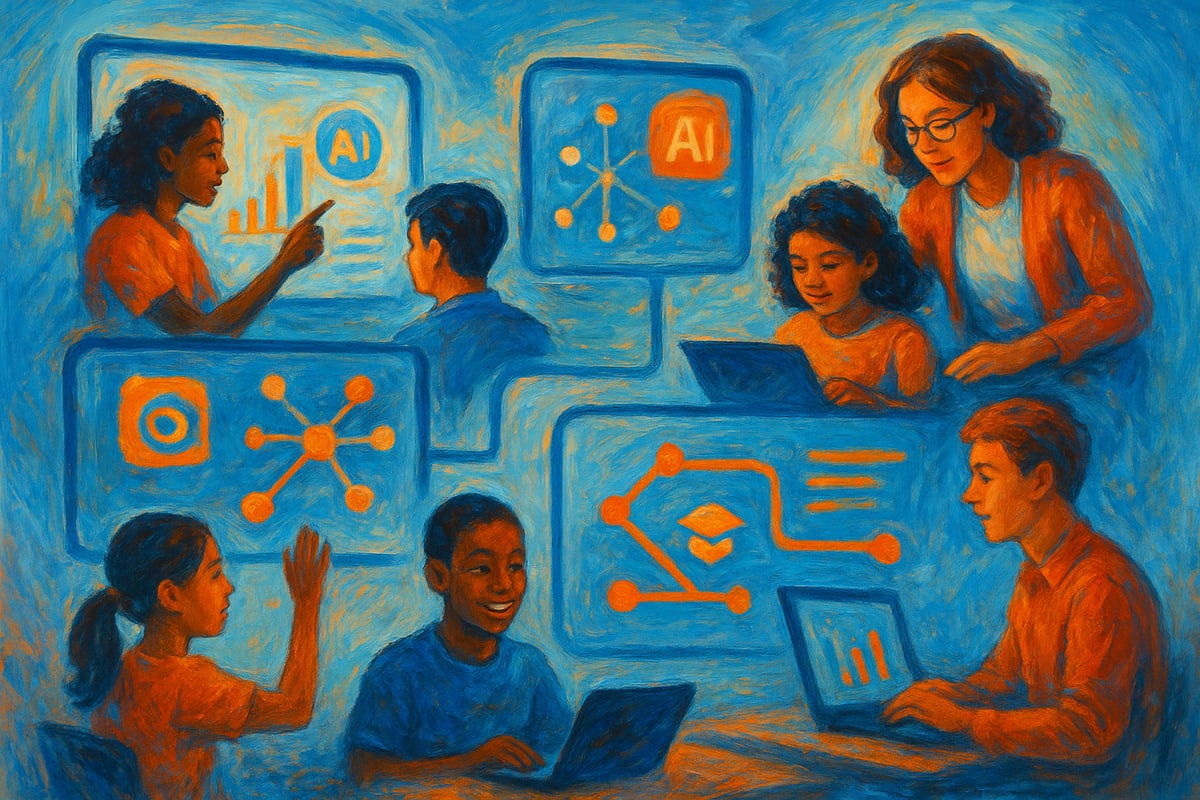
An ai powered learning platform tailors education for each learner by analysing performance data and learning habits. This means no two students follow the same journey.
- AI reviews student strengths and weaknesses.
- It adapts course content, changing the pace and complexity to suit the individual.
- Platforms like Sana Labs and D2L Brightspace use adaptive learning to create unique learning experiences.
- Students receive recommendations for resources and next steps, making learning more engaging.
- For example, a student struggling with maths receives extra practice problems and video tutorials, while a confident learner advances to higher-level challenges.
- Research shows AI-powered recommendations increase learner satisfaction by 35 percent.
- Educators can use these insights to target interventions, ensuring no one is left behind.
- Personalisation supports inclusion, catering for diverse learning needs, backgrounds, and abilities.
The ai powered learning platform is driving higher engagement and completion rates by making learning relevant to every student.
2. Automated Assessment and Feedback
Grading and feedback can overwhelm teachers, especially in large classes. An ai powered learning platform automates these tasks, freeing educators to focus on mentoring.
- Students submit assignments or quizzes.
- AI evaluates responses, checks for correctness, and provides instant feedback.
- Platforms such as Docebo offer AI-driven assessment tools, handling essays, quizzes, and even open-ended responses.
- The system updates student progress in real time, highlighting areas for improvement.
- Teachers save time, as AI handles repetitive grading and administrative work.
- Studies show up to a 40 percent productivity increase after implementing AI automation.
- Instant feedback helps students learn from mistakes and improve faster.
- This approach supports formative assessment, encouraging continuous learning and growth.
With an ai powered learning platform, assessment becomes more efficient, scalable, and supportive for both educators and students.
3. Intelligent Content Creation and Curation
Updating course materials is time-consuming. An ai powered learning platform streamlines this process by generating and curating content automatically.
- Educators upload existing documents, such as PDFs, DOCX, or PPTX files.
- AI structures these into modules, suggests quizzes, and tags topics for easy navigation.
- 360Learning’s platform, for example, can create new courses from uploaded content within minutes.
- AI curates content libraries, recommending materials based on learner interests and needs.
- This keeps resources current and relevant, reducing manual updates.
- AI can cut content authoring time by up to 60 percent.
- Teachers focus on high-impact teaching, leaving routine updates to the platform.
- Rapid deployment of new courses supports compliance and continuous professional development.
The ai powered learning platform empowers organisations to deliver fresh, targeted content quickly and efficiently.
4. Predictive Analytics for Student Success
Predicting which students need help is difficult without data. An ai powered learning platform uses predictive analytics to identify at-risk learners early.
- AI tracks engagement, assignment completion, and assessment results.
- D2L Brightspace provides dashboards that flag students who may be falling behind.
- The system recommends specific interventions, such as tutoring or additional resources.
- Educators receive actionable insights, enabling timely support.
- Institutions using predictive analytics have seen a 20 percent increase in student retention.
- Data-driven decision-making leads to curriculum improvements and better outcomes.
- For example, a university improved graduation rates after implementing AI-driven analytics.
- Early intervention transforms student success, making support proactive rather than reactive.
An ai powered learning platform ensures that every learner gets the support they need, when they need it.
5. Enhanced Accessibility and Inclusion
Education must be accessible to all. An ai powered learning platform breaks down barriers for students with disabilities or language needs.
- AI translates course content into multiple languages automatically.
- Absorb LMS includes features like speech-to-text, text-to-speech, and reading level adjustments.
- The system detects user needs and provides alternative formats, such as audio or simplified text.
- These tools help students with visual, auditory, or cognitive impairments participate fully.
- AI accessibility features increase course completion rates for special needs learners by 18 percent.
- Platforms ensure compliance with accessibility standards and regulations.
- This promotes equity for remote or underserved communities, such as rural Australia.
- Real-world example: AI-driven platforms are expanding access for Indigenous learners by providing resources in local dialects.
The ai powered learning platform is making education more inclusive than ever before.
6. Automation of Administrative Tasks
Managing enrolment, reminders, and certifications can be a burden. An ai powered learning platform automates these processes, reducing errors and saving time.
- Administrators set up rules for enrolment, notifications, and certification tracking.
- Platforms like Docebo and Absorb LMS automatically assign training and manage reminders.
- The system tracks progress and ensures compliance with policies or regulatory changes.
- Educators spend less time on paperwork and more on teaching.
- AI automation can cut administrative workload by up to 50 percent.
- This scalability is vital for large institutions and enterprises.
- Synap’s automations streamline onboarding and compliance, offering local support for Australian education providers.
- Reliable automation ensures smooth operation even as enrolments grow.
An ai powered learning platform transforms administration from a headache to a seamless process.
7. Real-Time Engagement and Motivation
Keeping learners motivated is crucial for success. An ai powered learning platform boosts engagement through real-time nudges and smart notifications.
- AI monitors participation and detects when learners disengage.
- Intelligent agents, like those in D2L Brightspace, send personalised reminders and encouragement.
- Gamification elements, such as badges and leaderboards, drive motivation.
- The system adapts challenges and activities to keep learners interested.
- Smart notifications improve course completion rates by 25 percent.
- Peer-to-peer learning is supported through AI-facilitated collaboration.
- In corporate training, companies have seen improved engagement and reduced dropout rates.
- Consistent engagement builds better study habits and learning outcomes.
An ai powered learning platform makes learning dynamic, interactive, and motivating for everyone.
8. Scalable, Data-Driven Decision Making
Institutions need insights to plan and improve. An ai powered learning platform aggregates and visualises data for leaders and educators.
- The system collects information on engagement, performance, and completion.
- Analytics dashboards, like those in 360Learning, highlight trends and areas for improvement.
- Reports suggest actions, such as adjusting curriculum or reallocating resources.
- AI enables evidence-based planning, aligning with organisational goals.
- 70 percent of L and D leaders report better decision-making with AI analytics, according to AI adoption in education statistics.
- Continuous improvement cycles are supported, maximising return on investment.
- Case study: Organisations using data-driven strategies achieve higher ROI in training.
- Synap’s custom dashboards provide Australian education leaders with real-time insights for strategy and compliance.
An ai powered learning platform empowers institutions to make informed decisions and drive long-term success.
How to Implement an AI-Powered Learning Platform: Step-by-Step Guide
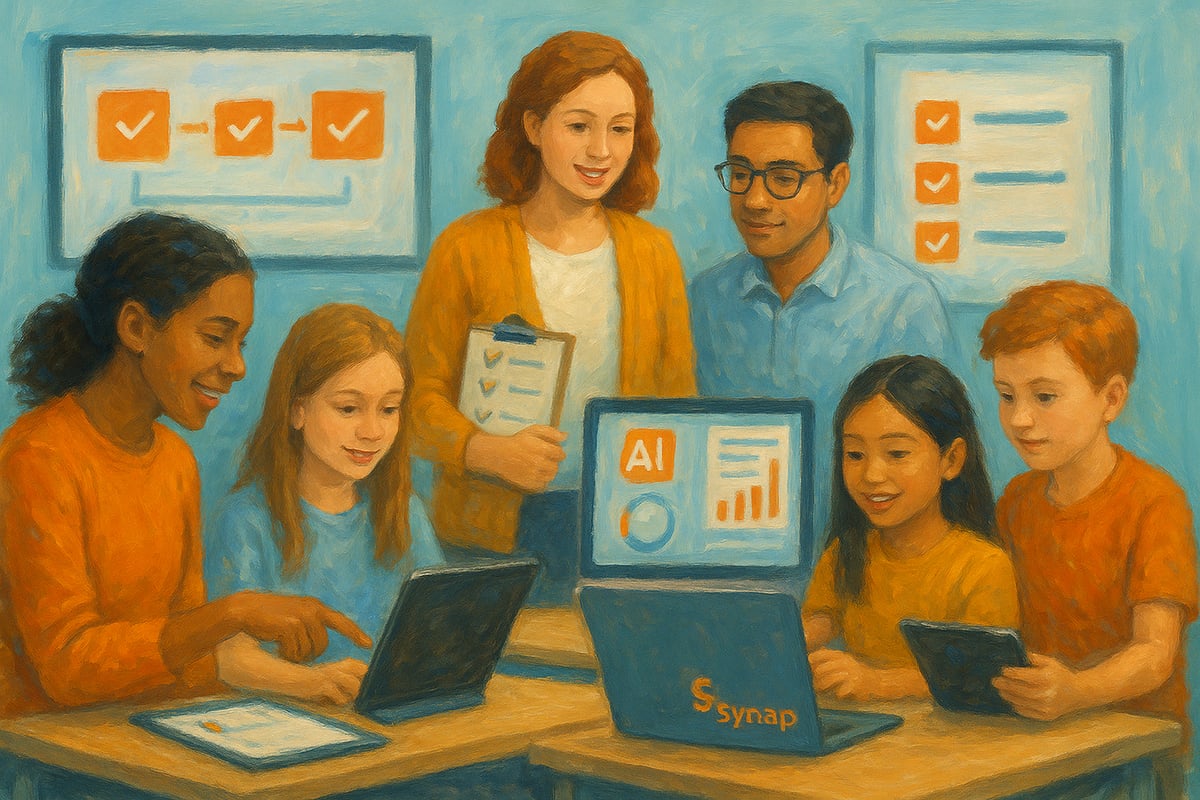
Implementing an ai powered learning platform is a strategic move that can transform your institution’s approach to education. To ensure a smooth transition, follow this practical, evidence-based roadmap designed for Australian schools, universities, and training providers.
- Assess Organisational Readiness
Begin by evaluating your institution’s readiness for adopting an ai powered learning platform. Use free tools like Synap AI’s Readiness Assessment to identify strengths, gaps, and opportunities. This step helps shape the project scope and ensures all stakeholders are aligned from day one.
- Define Clear Objectives
Set specific goals for your ai powered learning platform. Are you aiming for personalisation, automation, compliance, or improved engagement? Clear objectives will guide your platform selection and rollout strategy. Discuss priorities with leadership teams and teaching staff to secure buy-in.
- Select the Right Platform
Choose an ai powered learning platform that matches your needs. Consider features like adaptive learning, analytics, and integration with your current systems. Scalability and data privacy are vital, especially for Australian institutions. For further guidance, refer to this detailed How to implement AI in learning resource.
- Develop a Phased Rollout Plan
Plan a staged deployment. Start with a pilot program involving a small group of users. Collect feedback, monitor performance, and make adjustments. Once successful, expand to wider cohorts and eventually full implementation. This approach reduces disruption and builds confidence.
- Train Educators and Admins
Provide comprehensive training on the new ai powered learning platform. Focus on practical use cases, troubleshooting, and best practices. Ongoing support and peer learning groups help staff adapt quickly and maximise platform benefits.
- Monitor Key Metrics
Track critical metrics such as student engagement, course completion rates, and learning outcomes. Use built-in analytics to identify trends and areas for improvement. Regularly review data with teaching teams to drive informed decisions.
- Iterate and Optimise
Continuously refine your ai powered learning platform based on user feedback and performance data. Update content, tweak automation rules, and introduce new features as needed. An agile approach ensures the platform evolves with your institution’s needs.
- Real-World Example
A leading Australian university recently implemented an ai powered learning platform using this step-by-step framework. After piloting with 200 students, they saw a 25% boost in engagement and a 15% increase in course completion. Their team now uses data insights to personalise learning at scale.
Ready to start your transformation? Book a free online consult with our AI technologist for tailored advice and a roadmap specific to your organisation.
Australian AI Consulting for Education
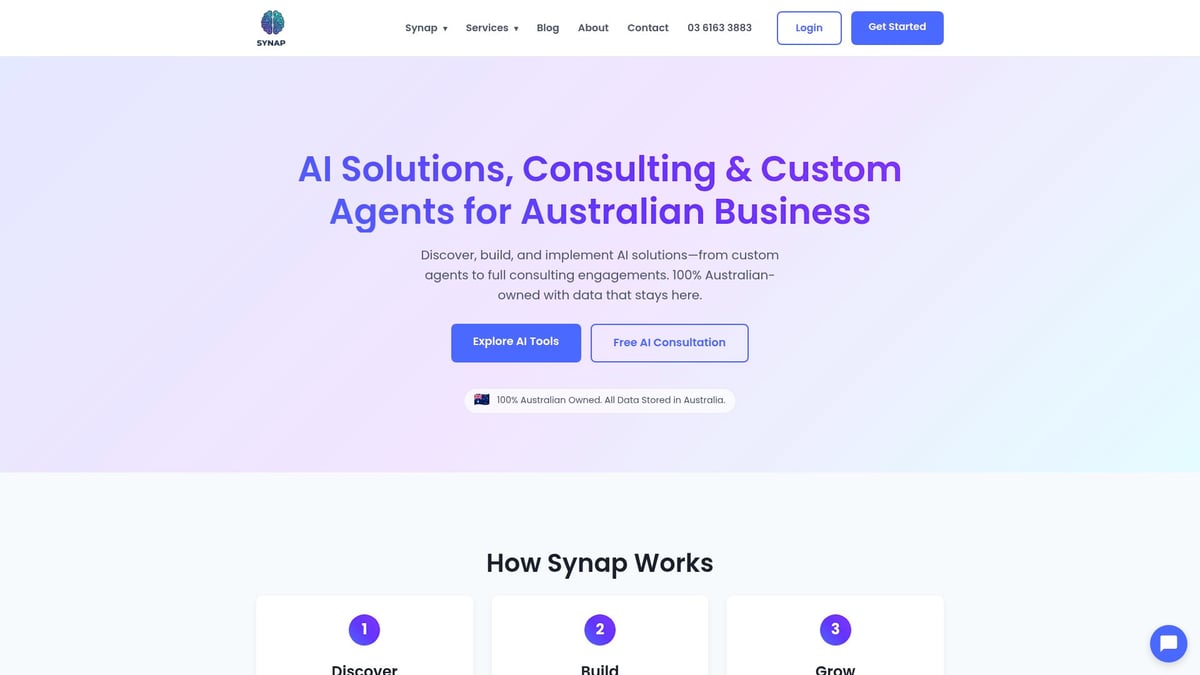
Synap AI, a 100 percent Australian-owned firm, leads the way in ai powered learning platform development and consulting from Mornington, Victoria. All solutions are locally hosted, ensuring your data remains within Australia for full compliance and peace of mind. Synap offers private AI agents, automation tools, and custom AI platform development services tailored to education providers. Schools, universities, and training organisations can access a free AI Readiness Assessment to gauge preparedness. With flexible, pay-per-agent pricing and no lock-in contracts, Synap is the trusted partner for institutions seeking secure, innovative AI solutions.
As we've explored, AI powered learning platforms are reshaping education in Australia by personalising pathways, streamlining assessments, and making learning more accessible for everyone. If you’re curious about how these innovations could support your institution’s goals or want to see what a tailored AI solution could look like for your team, I invite you to take the next step. Let’s work together to unlock the full potential of AI for your educators and students—simply Book a Consultant Now and start your journey towards smarter, more engaging learning experiences.