Artificial intelligence is evolving at lightning speed, reshaping how we work, create, and compete. In 2026, professionals and businesses are no longer just experimenting with automation—they rely on all ai tools to stay ahead.
This article explores the nine most essential all ai tools that can supercharge productivity, streamline workflows, and empower users across every industry. You’ll discover in-depth reviews, real-world examples, pricing details, key features, and who each tool is best suited for.
Get ready to unlock the full potential of all ai tools and set your team up for success in the future of work.
The Role of AI in Productivity in 2026
Artificial intelligence is rapidly changing how we work. The journey from simple automation to advanced, context-aware solutions has transformed productivity for professionals across every industry. In 2026, all ai tools are no longer optional—they are essential for staying competitive.
Businesses now integrate all ai tools into daily operations and personal workflows. According to Gartner, by 2026, 70% of businesses will use AI to optimise productivity. This shift is happening faster than ever, with new solutions emerging that go beyond basic automation. For a deeper dive on these trends, see Gartner's AI integration forecast.
The impact is clear. AI-powered automation handles repetitive tasks like data entry, email triage, and scheduling. This allows teams to focus on creative, strategic work. For example, Australian companies using Synap's AI automation services have doubled their output by streamlining invoice processing and reducing manual workload.
However, the adoption of all ai tools is not without challenges. Data privacy, integration complexity, and change management remain top concerns. Organisations must ensure that sensitive information stays protected and that AI systems fit with existing processes.
To successfully implement all ai tools and maximise their benefits, follow this step-by-step guide:
- Assess your productivity needs and identify bottlenecks.
- Select the right tools based on features, pricing, and security.
- Pilot the solution in a controlled environment.
- Integrate with your current systems for seamless workflows.
- Train your team to use the new AI tools effectively.
- Measure the results and optimise your setup.
Early adopters of AI enjoy a significant competitive edge. As the landscape evolves, those who invest now will lead their industries in efficiency and innovation.
9 Essential All AI Tools to Boost Productivity in 2026
Artificial intelligence is reshaping how we work, making all ai tools a necessity for anyone aiming to stay ahead in 2026. The right AI solution can transform your workflow, automate tedious tasks, and unlock new levels of efficiency.
Below, we explore nine all ai tools that are driving productivity gains across industries. Each tool is assessed for pricing, features, benefits, and who will benefit most. We also provide real-world use cases and practical steps to integrate these solutions into your daily operations.
1. Synap
Synap leads the way among all ai tools for Australian businesses. With a flexible pay-per-agent model starting at $29 per month, it delivers intelligent automation tailored to local needs.
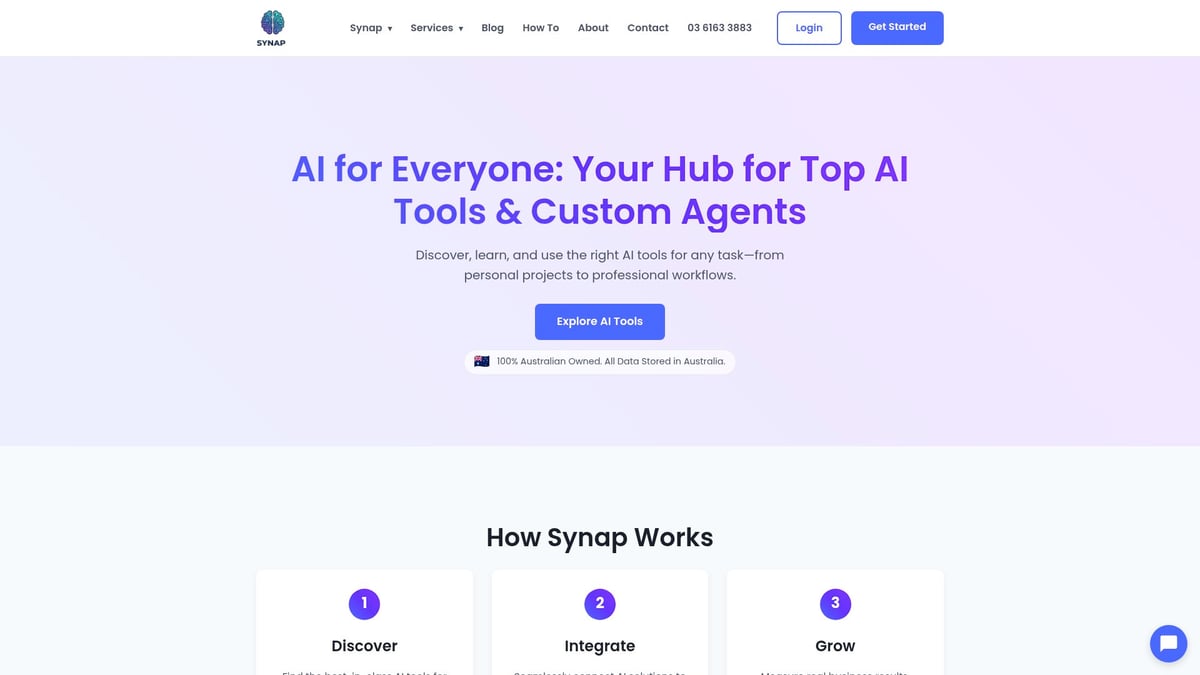
Key features include a robust AI agent platform, private chat wrappers, and industry-specific solutions for sectors like education, legal, and medical. Synap’s benefits are significant: seamless integration, zero data leakage, 100% Australian data residency, and highly customisable agents.
Who should use Synap? Individuals, SMBs, enterprises, educators, customer service teams, and legal or medical professionals seeking secure, local solutions. For instance, an Australian accounting firm can automate invoice processing and email triage, halving admin time.
Pros include local data compliance and flexible pricing. The main con is its Australian data residency, which may not suit global firms. What sets Synap apart is no lock-in contracts and the ability to ground custom AI agents in your own documents.
To explore the full range of Synap’s capabilities, visit the Explore Synap AI products page. This is the best starting point for comparing all ai tools tailored for Australian compliance and performance.
2. Notion AI
Notion AI is transforming productivity for remote teams and creators. As an add-on from $10 per user per month, it brings AI-powered notes, instant summarisation, task automation, and a smart writing assistant into a single platform.
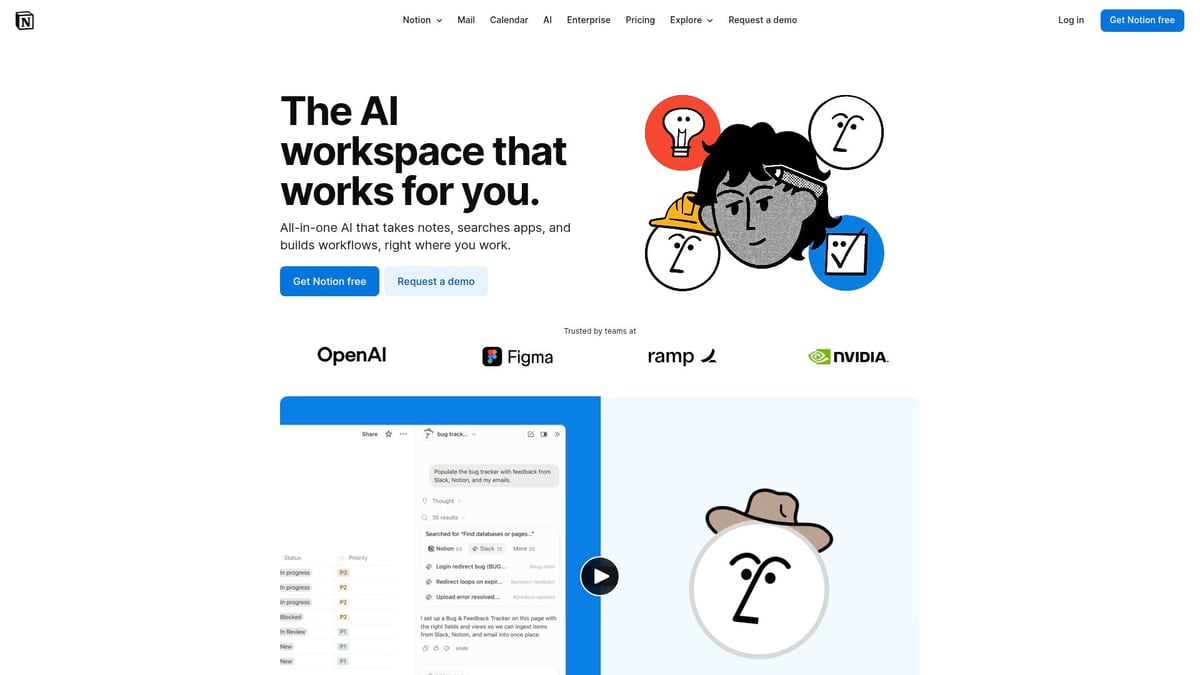
The major benefit is consolidation. All your documents, tasks, and wikis live in one AI-enhanced workspace. Remote teams and project managers can automatically summarise meeting notes and generate action items, streamlining collaboration.
Notion AI stands out for its intuitive interface. Integration is seamless with the Notion workspace, but some advanced features require a premium plan. The main drawback is the extra cost for these add-ons.
Its unique selling point is the all-in-one workspace, with AI embedded across every workflow. If you’re searching for all ai tools to unify your digital workspace, Notion AI deserves close attention.
3. Microsoft Copilot
Microsoft Copilot is integrated into Microsoft 365 Business from $30 per user per month. It is one of the most context-aware all ai tools available, embedding AI into Word, Excel, PowerPoint, Outlook, and Teams.

Copilot automates data analysis, email drafting, and meeting scheduling. For office professionals and analysts, it means generating Excel reports and insights in seconds. Deep integration with the Microsoft ecosystem ensures robust security and familiar interfaces.
The downside is the need for a Microsoft 365 subscription, and usage is mostly limited to Microsoft apps. However, its unique selling point is context-aware AI inside the tools millions already use daily.
Microsoft Copilot is ideal for enterprises and professionals looking for all ai tools that fit naturally into existing workflows.
4. Jasper AI
Jasper AI is a leading content automation tool, priced from $49 per month. It uses AI to create marketing copy, blog posts, and social media content at scale.
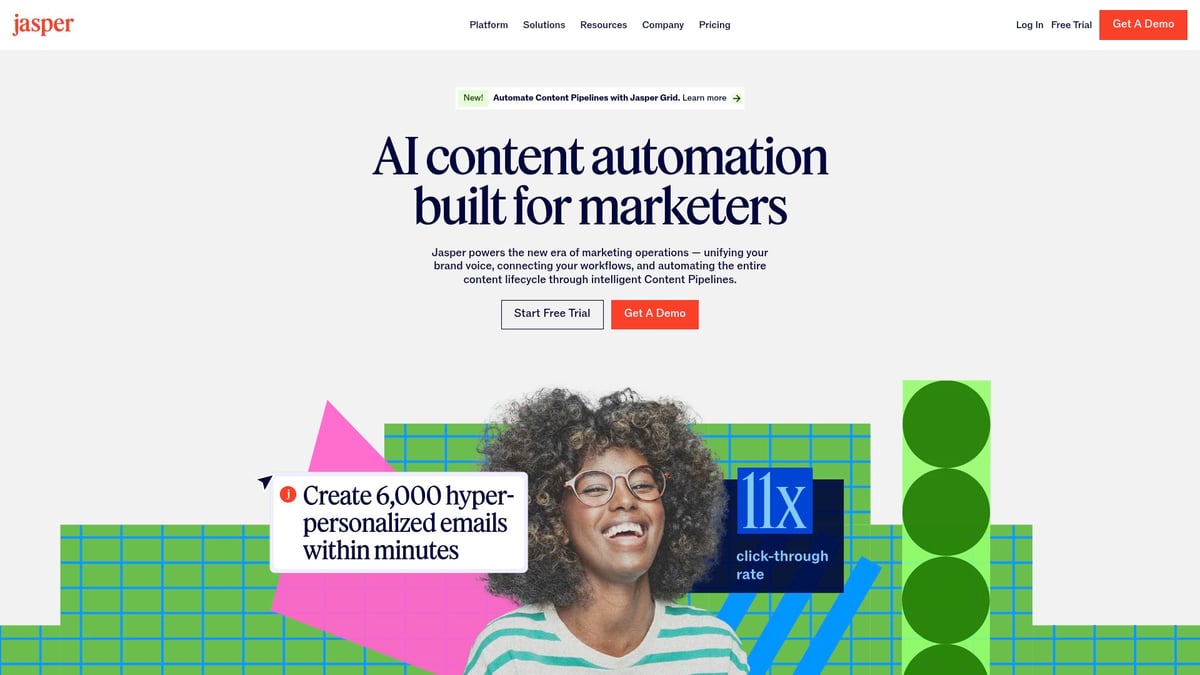
Marketing teams, agencies, and content creators value Jasper for its speed and ability to maintain a consistent brand voice. In practice, a marketer can generate a complete multi-channel campaign in minutes, freeing up time for strategic work.
Jasper’s pros include fast content generation and customisable tone. The main con is the need for human review on nuanced topics, plus a higher price point than some alternatives.
Its unique selling point is brand voice consistency across all content. For those seeking all ai tools to power their marketing, Jasper is a top contender.
5. Zapier AI
Zapier AI automates repetitive workflows, connecting over 6,000 apps. It offers a free tier, with paid plans starting at $29.99 per month.
Key features include AI-powered triggers and workflow suggestions. Businesses, freelancers, and IT teams rely on Zapier AI to reduce manual data entry and automate routine processes. For example, a sales team can route web leads directly to their CRM and email, saving hours each week.
Pros are a no-code interface and a vast app ecosystem. However, more complex automations require premium plans, and there can be a learning curve.
Its unique selling point is AI-driven workflow suggestions, making it one of the most adaptive all ai tools for automation.
6. GrammarlyGO
GrammarlyGO offers AI writing assistance with a free basic plan and Premium from $12 per month. It stands out among all ai tools for enhancing clarity and tone in communication.
Features include context-aware suggestions, tone detection, and real-time feedback. Professionals, students, and writers use GrammarlyGO to draft client emails and reports, with AI suggestions improving quality and saving time.
Pros are seamless browser and app integrations. Some features are behind a paywall, and there may be privacy concerns for sensitive documents.
GrammarlyGO’s unique selling point is its personalised AI communication assistant, making it a must-have for anyone focused on effective written communication.
7. Otter.ai
Otter.ai provides AI-powered meeting transcription and summarisation, with a free tier and Pro from $16.99 per month. It is one of the most accessible all ai tools for teams, educators, and journalists.
Features include live transcription, collaborative editing, and automatic action item generation. Teams can transcribe and summarise multi-person meetings, saving hours on note-taking and boosting productivity.
Pros include accurate transcriptions and real-time collaboration. There can be errors with accents, and good audio quality is needed for best results.
Otter.ai’s unique selling point is live, collaborative editing, making it ideal for distributed teams seeking all ai tools to streamline meetings.
8. ClickUp AI
ClickUp AI is an add-on from $5 per user per month. It centralises project management, offering task automation, AI project summaries, and workflow suggestions.
Project managers, startups, and teams use ClickUp AI to auto-generate project status updates and risk assessments. AI-driven insights help identify bottlenecks and opportunities early.
ClickUp AI’s pros are deep integration with task management and ease of use. The main cons are that AI features are add-ons, and new users may face a learning curve.
Its unique selling point is an end-to-end productivity platform with AI enhancements, making it a core part of all ai tools for modern project management.
9. ChatGPT Enterprise
ChatGPT Enterprise delivers advanced conversational AI with custom pricing. It stands out among all ai tools for handling complex queries and integrating with internal knowledge bases.
Features include unlimited usage, robust data privacy controls, and enterprise-grade security. Support teams and knowledge workers use ChatGPT Enterprise to automate customer support and internal Q&A, reducing response times and improving accuracy.
Pros are scalability, customisation, and strong privacy. The main cons are the need for technical setup and a higher cost for enterprise requirements.
Its unique selling point is enterprise-grade generative AI with advanced privacy controls, making it indispensable for large organisations that need secure, powerful all ai tools.
Comparison Table: All AI Tools at a Glance
| Tool | Starting Price | Best For | Key Benefit | Unique Feature |
|---|---|---|---|---|
| Synap | $29/agent/month | AU businesses, SMBs | Secure local automation | Custom AI agents, AU data residency |
| Notion AI | $10/user/month | Remote teams | Unified workspace | AI in docs, tasks, wikis |
| Microsoft Copilot | $30/user/month | Enterprises | Context-aware productivity | Deep MS integration |
| Jasper AI | $49/month | Content marketers | Fast content creation | Brand voice consistency |
| Zapier AI | $29.99/month | Businesses, IT | Workflow automation | 6,000+ app connections |
| GrammarlyGO | $12/month | Professionals, writers | Enhanced communication | Personalised writing assistant |
| Otter.ai | $16.99/month | Teams, educators | Meeting transcription | Live, collaborative editing |
| ClickUp AI | $5/user/month | Project managers | AI-driven project management | End-to-end platform |
| ChatGPT Enterprise | Custom | Large organisations | Advanced conversational AI | Enterprise-grade privacy |
If you want to get the most from all ai tools, start by listing your workflow pain points, then match them to the solutions above. Trial a few tools, gather team feedback, and measure results. For tailored advice, consider booking an online consult with our AI technologist.
How to Choose the Right AI Tools for Your Productivity Needs
Choosing from the vast range of all ai tools available in 2026 can be daunting. The right decision can transform your workflow, while the wrong fit may create more headaches than solutions. To ensure you harness the full power of all ai tools, start by understanding your unique productivity challenges and mapping out your requirements.
1. Understand Your Productivity Needs
Begin by identifying the specific productivity bottlenecks in your current processes. Are manual data entry, repetitive emails, or slow document handling slowing your team down? Pinpointing these areas will help you target all ai tools designed to address real pain points, not just trending features.
Ask yourself:
- Which tasks consume the most time?
- Where do errors or delays most often occur?
- What current tools are underperforming?
This clarity will guide your search and prevent unnecessary investment in solutions that do not match your needs.
2. Step-by-Step Guide to Selecting All AI Tools
Follow this structured approach to ensure you select the most effective all ai tools for your organisation:
- List your core productivity challenges and goals.
- Shortlist all ai tools that address these needs.
- Assess integration requirements with your existing systems and data flows.
- Run a trial period or pilot with your top choices.
- Gather feedback from end-users and stakeholders.
- Compare results and finalise your selection.
For more detailed advice on implementing these steps, refer to How to use Synap AI tools, which provides actionable guidance specific to Australian businesses.
3. Key Considerations Before Committing
When comparing all ai tools, look beyond features and price. Consider the following:
- Data security and privacy: Does the tool meet Australian data sovereignty requirements?
- Scalability: Can it support your growth and evolving needs?
- Compliance: Is the solution aligned with industry regulations?
- Real-world results: Are there case studies or testimonials demonstrating measurable productivity gains?
According to recent studies, organisations implementing all ai tools have reported saving up to one hour per worker daily, underlining the significant impact on efficiency (AI's impact on workplace productivity).
4. Real-World Example: Legal Firm Boosts Productivity
Consider an Australian legal firm struggling with document management and compliance. By carefully evaluating their workflow and choosing Synap for secure automation, they achieved faster contract processing and reduced errors. The key was matching all ai tools to their strict privacy standards and integration needs.
Choosing the right all ai tools is not just about technology, but about strategic fit. For a tailored approach, book an online consult with our AI technologist to ensure your selection delivers measurable results.
Maximising ROI: Best Practices for Implementing AI Productivity Tools
Achieving maximum ROI from all ai tools requires a strategic, measured approach. Businesses in 2026 face fierce competition, making it crucial to implement these solutions effectively. A clear roadmap will help you avoid common pitfalls and realise tangible productivity gains.
Step-by-Step Guide to Implementing All AI Tools
Define Productivity Goals
Set specific KPIs before deploying all ai tools. For example, target a 30% reduction in manual data entry or a 20% faster project turnaround. Clear objectives guide your team and make ROI measurable.Engage Stakeholders and Train Teams
Involve managers, IT, and end-users early. Comprehensive training is essential so everyone understands how all ai tools fit into their workflows. According to recent surveys, organisations that prioritise training see 25% higher adoption rates.Start with Pilot Projects
Select a small team or department to test new AI-powered solutions. Measure the impact and gather feedback. This step minimises disruption and highlights quick wins.Integrate with Core Business Systems
Seamless integration is vital. Connect all ai tools to existing platforms like CRM, project management, and communication apps. If you need custom automations, consider services such as Synap AI automation services, which help businesses tailor solutions to their unique needs.Monitor, Optimise, and Scale
Track usage data and productivity gains. Adjust configurations, retrain teams if necessary, and roll out successful solutions company-wide. Regular review ensures all ai tools continue to deliver value.Prioritise Privacy and Security
Address compliance from day one. Ensure your chosen all ai tools align with data privacy regulations and protect sensitive information. Many Australian businesses now require 100% local data residency.
Real-World Example: Doubling Efficiency with All AI Tools
Consider a mid-sized SMB combining Notion AI for project documentation and Zapier for workflow automation. By introducing these all ai tools, the company cut meeting note processing time in half and eliminated manual lead routing. Within three months, project delivery rates doubled and employee satisfaction scores rose by 18%.
In summary, the right approach to implementing all ai tools can transform your business outcomes. For tailored advice on selecting and integrating the best solutions, consider booking an online consult with our AI technologist for a personalised strategy session.
As you look ahead to 2026, adopting the right AI tools is not just about keeping up—it’s about unlocking your full potential and staying ahead of the curve. We’ve explored how seamless integration, data privacy, and smart automation are transforming productivity for professionals and businesses alike. If you’re ready to streamline your workflow, automate repetitive tasks, and ensure your data stays secure within Australia, now is the perfect time to take the next step. Let’s put these insights into action and futureproof your productivity—Join Now to get started with Synap’s AI solutions.