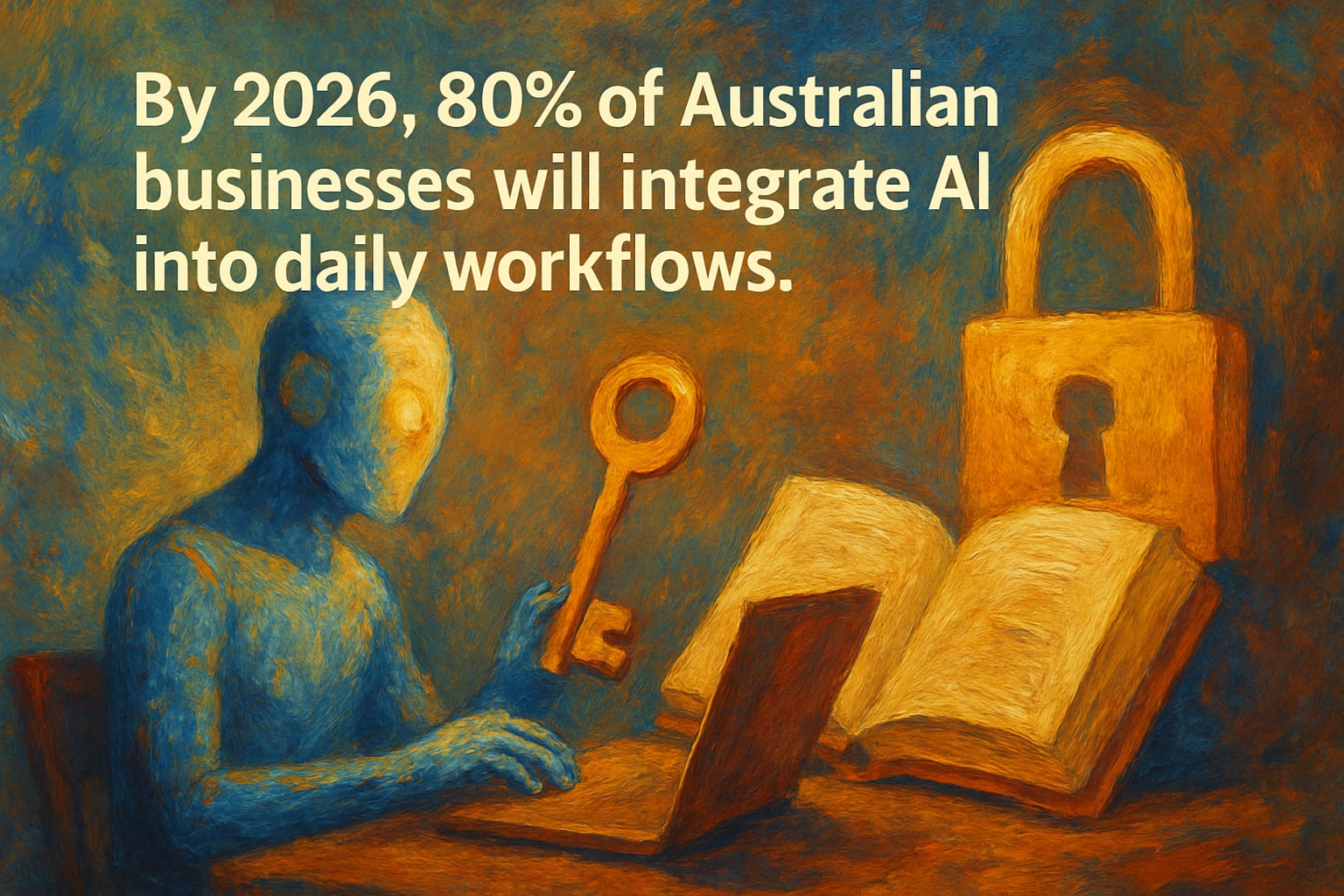
By 2026, 80% of Australian businesses will have integrated working ai into their daily operations, reshaping the future of work. Are you curious about how this rapid evolution of AI will impact your workplace, your role, and your industry? This guide is designed to provide you with actionable steps to unlock the full potential of working ai in your organisation. You will discover what working ai means, how to integrate it strategically, step-by-step adoption methods, ways to overcome common challenges, inspiring real-world examples, and future trends every leader must know. Get ready to future-proof your business and workforce.
Understanding Working AI in 2026
Understanding working ai in 2026 begins by distinguishing it from the traditional automation systems many businesses know. Unlike legacy solutions, working ai adapts, learns, and collaborates with human teams. It is not simply a set of programmed rules but a dynamic system that senses context, interprets data, and offers intelligent recommendations.
To clarify the difference, see the following comparison:
| Feature | Traditional Automation | Working AI |
|---|---|---|
| Adaptability | Static | Learns and evolves |
| Decision-making | Predefined rules | AI-driven insights |
| Human collaboration | Limited | Augmented partner |
| Application flexibility | Narrow | Broad, contextual |
Four core technologies drive working ai in Australian workplaces:
- Machine learning enables systems to improve from data.
- Natural language processing helps computers understand and respond to human language.
- Computer vision allows ai to interpret images and video.
- Generative ai creates new content, from text to design, revolutionising creativity in business.
Australia is at the forefront of this transformation. Over 65% of enterprises now use ai-enabled platforms, a figure expected to climb rapidly. For a comprehensive look at these trends, the Australia's AI adoption rates report details sector-specific growth and adoption patterns.
Different industries are embracing working ai in unique ways. In finance, ai algorithms detect fraud and personalise banking experiences. Healthcare providers use ai for patient triage and predictive diagnostics. Retailers rely on ai for inventory forecasting and customer engagement. Logistics companies optimise delivery routes and reduce delays with real-time data analysis.
Ethical considerations are becoming central as working ai becomes more ingrained. Transparency is critical, ensuring stakeholders understand how ai makes decisions. Bias mitigation strategies are essential, especially in sensitive sectors like healthcare and finance. Regulatory compliance, following Australian privacy and ai ethics guidelines, is now a non-negotiable part of implementation.
A major evolution is the rise of “augmented intelligence.” This approach sees working ai as a partner to human workers, not a replacement. Instead of automating away jobs, ai augments decision-making, enhances productivity, and frees staff from repetitive tasks. The goal is smarter collaboration, not simple substitution.
Consider the real-world example of Woolworths. The supermarket giant uses working ai to optimise its supply chain. By analysing sales data and predicting demand, Woolworths reduces waste and ensures shelves are stocked with what customers want. This step-by-step use of ai has led to significant cost savings and improved customer satisfaction.
To fully unlock the benefits of working ai, upskilling and digital literacy are essential. Employees must learn to interact with ai systems, interpret insights, and adapt to new workflows. Business leaders should provide structured training and encourage a culture of continuous improvement. Embracing working ai is not just about technology, but about people and progress together.
Step-by-Step Guide to Integrating AI in Your Workplace
Unlocking the power of working ai starts with a clear, actionable roadmap. Australian businesses that follow a structured approach see higher returns and fewer setbacks. Use this step-by-step guide to set your team up for success by 2026.

- Assess Organisational Readiness
Before adopting working ai, evaluate your digital infrastructure and staff skills. Are your current systems cloud-ready? Do your teams have the digital literacy to engage with new tools? Use the Workplace AI readiness assessment to benchmark your organisation’s strengths and identify any capability gaps.
- Identify High-Impact Areas for Automation
Not all processes benefit equally from working ai. Analyse your operations to find repetitive, time-consuming tasks. Data entry, invoice processing, and customer inquiries are common starting points. Australian SMEs report that targeting these areas first delivers the fastest ROI.
- Develop a Strategic Roadmap
Map out your working ai journey with clear objectives. Set timelines, allocate budgets, and define metrics for success. For example, aim to reduce manual reporting hours by 30 percent within six months. A well-documented plan will keep your AI adoption on track and measurable.
- Select the Right AI Tools
Choosing the right platform is crucial for effective working ai integration. Compare leading solutions by scalability, security, and local support. Consider Synap for private AI consulting and workflow automation, or evaluate IBM Watson and Google AI for broader applications.
| Platform | Strengths | Local Support | Scalability |
|---|---|---|---|
| Synap | Custom automations, privacy | Yes | High |
| IBM Watson | Analytics, NLP | Yes | High |
| Google AI | Cloud tools, integrations | No | Very High |
- Build Internal Capability
Upskilling your workforce is essential for maximising working ai benefits. Offer training sessions, workshops, and online courses. Encourage staff to experiment with AI-powered tools in daily tasks. National Australia Bank’s upskilling initiative saw a significant boost in employee confidence and productivity.
- Pilot and Iterate
Start small with a pilot project. For instance, automate appointment scheduling in one department using Synap’s workflow automation. Measure outcomes closely. Did the pilot save time or improve accuracy? Use these insights to refine your approach before expanding working ai across the business.
- Ensure Data Security and Privacy
Safeguarding sensitive information is non-negotiable when deploying working ai. Follow Australian privacy laws and adhere to AI ethics guidelines. Regular audits and compliance checks protect your business and build trust with clients.
- Establish Feedback Loops
Continuous improvement is vital for working ai success. Gather feedback from employees and customers. What features work well? Where are the bottlenecks? Use this input to refine your AI systems and address any concerns promptly.
Real-World Example:
A Victorian SME in logistics partnered with Synap to automate its dispatch workflows. After assessing readiness and piloting a custom solution, they reduced processing times by 40 percent. Staff were trained on new AI tools, and ongoing feedback ensured smooth scaling across branches.
Following these steps, your business can unlock the full potential of working ai. Ready to future-proof your workplace? Book an online consult with our AI technologist for personalised guidance.
Overcoming Challenges & Risks in Working AI
Australian organisations face a rapidly changing landscape as they adopt working ai. Every new technology brings hurdles, and the journey to successful implementation is no exception. Understanding these challenges is the first step to unlocking the full potential of working ai in your business.

1. Identifying and Addressing Barriers
The most common barriers to working ai are cost, skills gaps, data quality, and resistance to change.
- Cost concerns arise as businesses weigh upfront investment against long-term savings.
- Skills gaps emerge as new roles demand AI literacy and technical capability.
- Poor data quality can derail even the best AI models, leading to unreliable results.
- Resistance to change is natural, with staff worried about job security or adapting to new systems.
Step-by-step, Australian companies can tackle these barriers:
- Start with a clear business case for working ai, focusing on measurable ROI.
- Invest in targeted upskilling programs to build digital confidence.
- Audit existing data for accuracy and completeness.
- Engage employees early, addressing concerns and highlighting benefits.
According to AI Australia 2025, 70% of businesses cite data privacy as their top concern.
2. Mitigating Bias and Ensuring Compliance
Bias in working ai models can impact fairness and decision-making.
- Regularly review training data for representativeness.
- Use transparent algorithms and document decision logic.
- Involve diverse teams in model development to spot blind spots.
- Test outputs for unintended patterns or discriminatory outcomes.
Regulatory compliance is another priority. The Australian AI Ethics Framework and privacy laws set clear expectations for responsible AI use.
- Review compliance requirements before deployment.
- Maintain records to prove ethical practices.
- Assign a compliance officer to oversee ongoing monitoring.
3. Navigating Cybersecurity and Employment Impacts
Cybersecurity risks grow as working ai systems interact with sensitive data.
- Implement multi-factor authentication and regular security audits.
- Encrypt data at rest and in transit.
- Monitor for unusual activity and respond quickly to threats.
AI adoption also reshapes the workforce. Rather than replacing jobs outright, working ai augments human roles, creating opportunities for new positions and skillsets.
- Support staff through change management initiatives.
- Recognise and reward adaptability and innovation.
- Foster a culture that values lifelong learning.
4. Building Trust and Transparency
Trust is critical for working ai success.
- Communicate openly about how AI systems make decisions.
- Provide clear channels for user feedback and concerns.
- Regularly review system performance for accuracy and fairness.
Many Australian businesses partner with experts to accelerate progress and overcome obstacles. For tailored guidance on overcoming working ai risks, consider exploring AI consulting services overview to connect with specialists who understand the local landscape.
5. Real-World Example: Telstra’s Ethical AI Deployment
Telstra offers a leading example of responsible working ai adoption. The company implemented a robust framework for ethical AI, combining human oversight with transparent processes. When deploying customer-facing chatbots, Telstra:
- Conducted thorough bias testing.
- Provided clear explanations for decisions.
- Invited ongoing feedback from users and staff.
As a result, Telstra improved customer satisfaction and reduced operational risks, while building public trust in its AI initiatives.
Australian organisations can replicate this step-by-step approach, leveraging expert support and evidence-based strategies. If you want personalised advice for your working ai journey, book an online consult with our AI technologist for a tailored roadmap.
Real-World Examples: AI Transforming Australian Workplaces
Australian organisations are seeing rapid change as working ai becomes an integral part of everyday business. In fact, 75% of AI projects in Australia now report a return on investment within 18 months, according to Gartner 2025. This surge in working ai adoption is transforming industries and setting new benchmarks for efficiency and innovation.
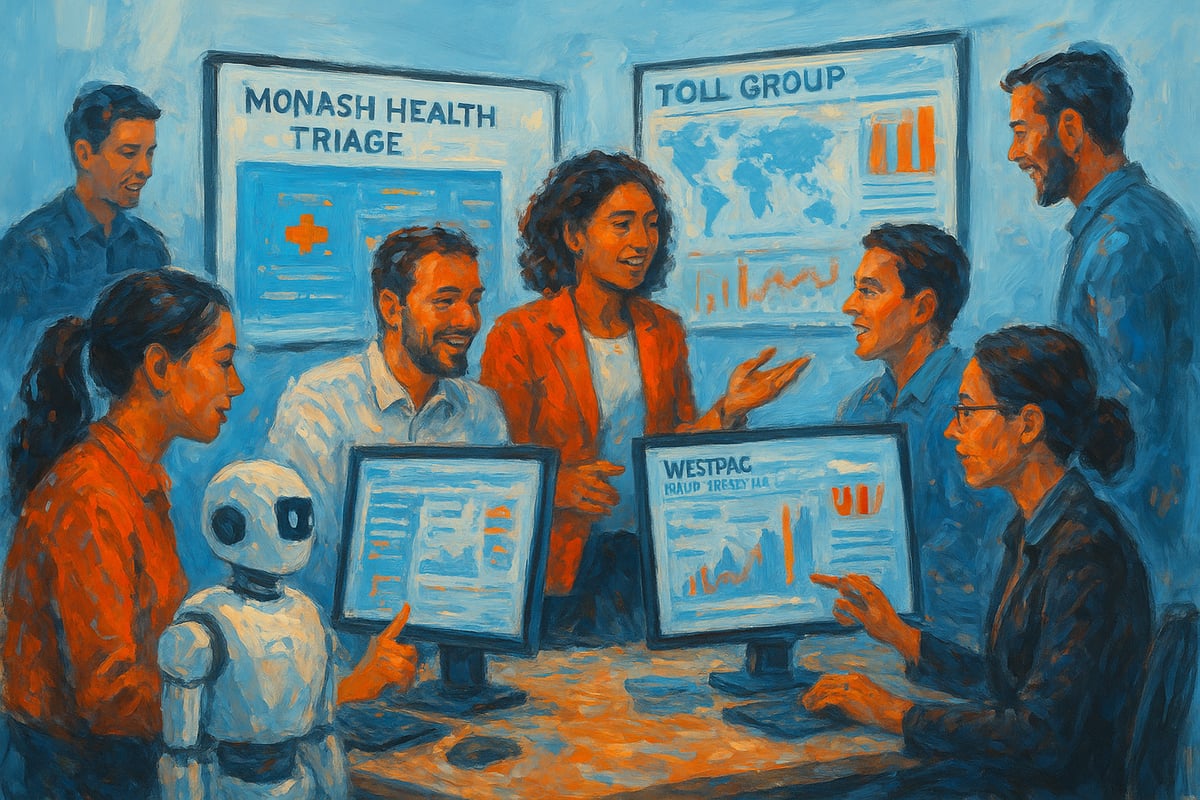
In healthcare, Monash Health has implemented a working ai-powered patient triage system. This technology analyses patient data in real time, helping staff prioritise care more accurately. As a result, Monash Health reduced emergency wait times by 25%. The success of this system demonstrates how working ai can directly improve patient outcomes while supporting medical professionals.
The logistics sector has also embraced working ai. Toll Group uses AI-driven route optimisation to streamline deliveries across Australia. By analysing traffic, weather, and delivery data, their system identifies the fastest, most efficient routes. This approach has saved Toll Group millions of dollars annually and significantly cut delivery times. The working ai solution also improves fuel efficiency and reduces environmental impact.
In the financial industry, Westpac is leveraging working ai for fraud detection. Their advanced algorithms monitor millions of transactions, flagging suspicious activities in real time. This proactive approach has prevented over $100 million in losses. Westpac’s experience highlights how working ai can secure assets and build customer trust through advanced analytics.
Education is another area where working ai is making a difference. RMIT University uses AI-based learning analytics to monitor student engagement and academic performance. The system identifies students at risk and recommends tailored interventions. Since implementation, RMIT has seen marked improvements in student outcomes and retention rates. This example shows how working ai can support educators and personalise learning.
Lessons from these sectors show that early adoption of working ai leads to measurable benefits. Common themes include improved efficiency, better decision-making, and enhanced customer experience. However, some projects faced setbacks, such as data integration challenges or staff needing additional training. Addressing these obstacles early is crucial for success.
For businesses looking to replicate these outcomes, consider the following steps:
- Start with a clear goal for working ai implementation.
- Select a proven use case relevant to your sector.
- Invest in staff training and change management from the outset.
- Use how-to guides for AI adoption to structure your approach and avoid common pitfalls.
- Regularly measure results and adapt as needed.
Australia’s experience shows that with the right strategy, working ai can unlock significant value across industries. To explore how your organisation can benefit, book an online consult with our AI technologist for tailored advice.
The Future of Working AI: Trends and Predictions for 2026 & Beyond
The future of working ai in Australia is rapidly taking shape, driven by swift advancements and bold government initiatives. By 2026, businesses will see explainable AI, edge computing, and AI-powered automation redefine what is possible. These innovations will not only streamline operations but also open new pathways for growth and creativity. As organisations look ahead, understanding the next wave of trends is critical for staying competitive.
- Emerging Technologies Shaping Working AI
Australia is at the forefront of working ai adoption, especially in generative AI and automation. By 2026, explainable AI will ensure transparency, making complex decisions easier to understand. Edge computing will bring processing closer to where data is generated, enabling real-time insights for logistics and healthcare. AI-powered automation will streamline workflows, helping companies like Synap deliver smarter solutions.
Recent reports show Australia ranks fourth globally in generative AI maturity. To learn more about this trend, visit the Generative AI usage in Australia page for detailed insights. These advancements will require businesses to rethink their digital strategies and invest in robust AI infrastructure.
- Workforce Evolution and Skills Demand
As working ai evolves, job roles will shift. Routine tasks will become automated, freeing staff to focus on creative and strategic work. The rise of AI-augmented jobs will demand new skills, such as data science, prompt engineering, and human-AI collaboration. Organisations must invest in upskilling programs to ensure teams stay ahead.
For example, Synap has launched internal training initiatives on workflow automation and AI integration. Step by step, companies can build talent pipelines by partnering with educational institutions, offering micro-credentials, and recognising change champions within their teams.
- Ethics, Regulation, and Trust in Working AI
Trust will be central to the future of working ai. As AI systems become more influential, businesses must address ethical challenges, such as bias, transparency, and privacy. The Australian government is actively guiding the sector, with the National AI Plan introduction outlining frameworks for responsible use.
Step one is adopting the latest ethical guidelines and regulatory standards. Step two involves regular audits and transparent reporting. Step three is engaging all stakeholders in open dialogue about AI's impact. These steps will help build trust and ensure compliance.
- Quantum Computing and AI Synergy
Quantum computing will further accelerate working ai by solving complex problems at unprecedented speed. While mainstream adoption is still emerging, early pilots in finance and logistics are already showing promise. For instance, quantum-powered AI could optimise delivery routes for logistics firms, saving millions in operational costs.
Businesses should monitor developments closely and explore pilot projects where possible. Partnering with AI specialists, such as Synap, can offer tailored advice on leveraging quantum advancements.
- Practical Steps for Future-Proofing and Consultation
To stay ahead in the era of working ai, businesses should:
- Regularly assess organisational readiness for new technologies.
- Invest in continuous staff training and digital literacy.
- Stay informed on global and local AI trends.
- Engage with trusted AI vendors for scalable solutions.
- Foster a culture of innovation and ethical leadership.
For personalised guidance, consider booking an online consult with our AI technologist to map out your organisation's AI journey. The time to act is now, as those who embrace working ai will shape the future of Australia's digital economy.
As we look ahead to 2026 and the rapid evolution of AI in Australian workplaces, it’s clear that embracing these technologies can set your business apart. Whether you’re planning your first AI project or refining existing systems, having expert guidance makes all the difference. If you’re ready to unlock new efficiencies, drive innovation, and stay ahead of the curve, let’s work together to create a tailored strategy for your organisation’s unique needs. Take the next step towards your AI-powered future and Book a Consultant Now.